

Building Sustainable Ports with Eco-Friendly Concrete Technologies
November 4, 2025
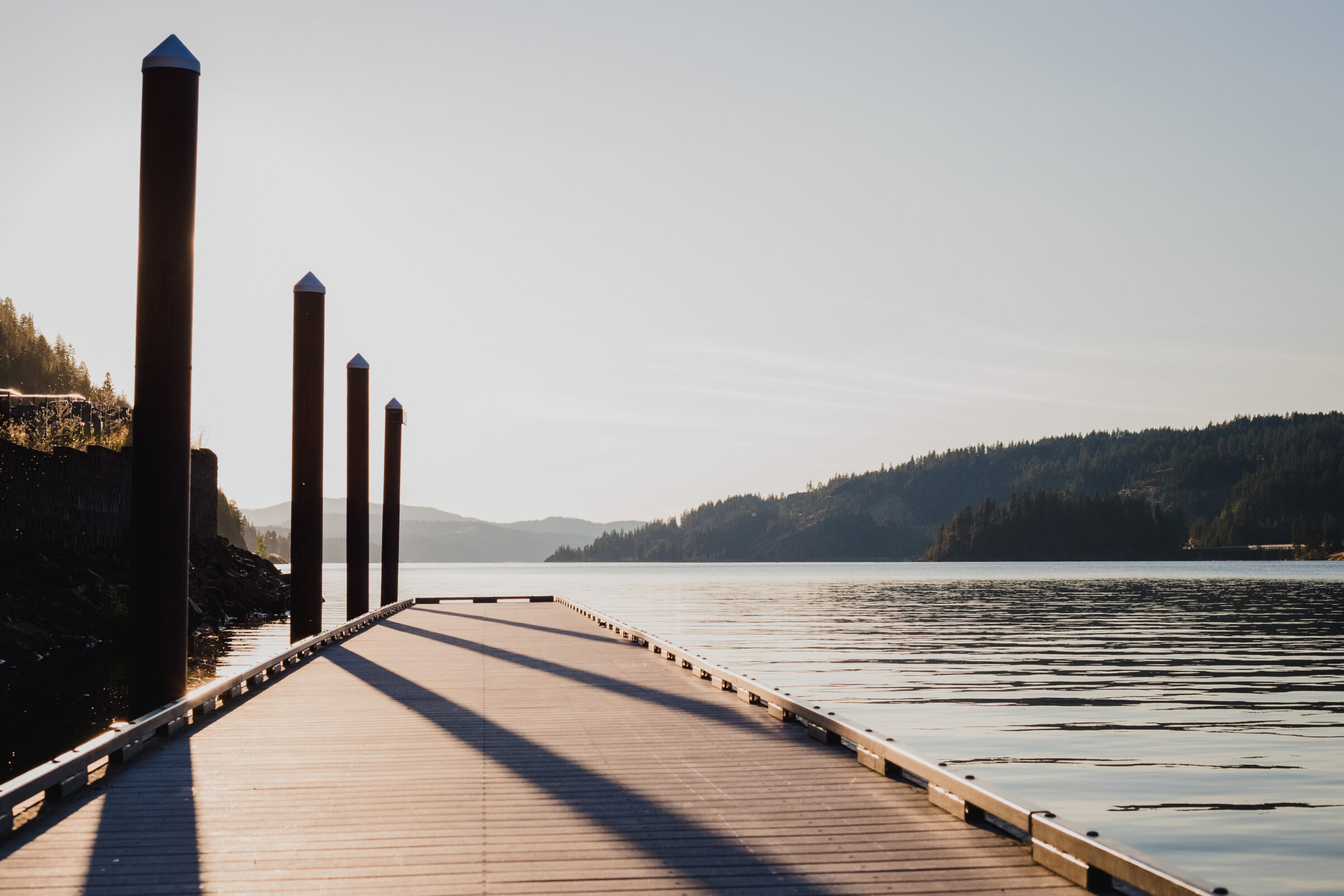
Modern port construction is being reshaped by sustainability, with eco-friendly concrete technologies leading that transformation. As coastal infrastructure expands to accommodate global trade, the materials used to build piers, docks, and seawalls must deliver both long-term resilience and reduced environmental impact. Concrete innovations are meeting that demand, enabling ports to thrive at the intersection of durability, performance, and ecological balance.
Advancing Marine Durability through Material Innovation
Ports operate in environments defined by saltwater exposure, heavy loads, and constant motion, all of which are factors that accelerate material degradation. Traditional concrete mixes are being replaced by advanced formulations designed specifically for marine resilience. Supplementary cementitious materials such as fly ash, slag, and silica fume not only enhance strength but also improve resistance to chloride penetration and sulfate attack. This results in structures that stand firm against corrosion while lowering the overall carbon footprint through reduced cement usage.
High-performance concrete mixes extend this advantage even further. By optimizing water-to-cement ratios and incorporating microfibers for crack control, these formulations minimize maintenance requirements over time. The result is a balance of mechanical strength and chemical resistance, qualities that are essential to keeping port structures operational in demanding marine conditions.
Integrating Sustainable Production Practices
Sustainability in port construction extends beyond the concrete itself. Eco-friendly concrete technologies begin with greener production processes that limit emissions and conserve natural resources. The use of recycled aggregates and reclaimed water during mixing reduces waste while ensuring consistency in quality. Many producers have also adopted energy-efficient batching systems, integrating carbon capture methods that repurpose emissions directly back into the concrete mix.
This closed-loop approach redefines efficiency, transforming what was once a high-impact manufacturing process into a sustainable production model. By reducing the environmental toll of each cubic yard produced, port developments can align with broader carbon-reduction goals without compromising on performance or schedule.
Reinforcing Coastal Resilience with Smart Concrete Systems
Beyond composition and production, innovation is advancing in the area of performance monitoring as well. Smart concrete systems are being introduced into port construction to provide real-time insights into structural health. Embedded sensors track parameters such as temperature, stress, and moisture infiltration, allowing for proactive maintenance and extended lifespan. This technology-driven approach ensures that repairs are made before damage escalates, preserving both structural integrity and operational uptime.
The combination of smart monitoring and sustainable materials creates infrastructure capable of adapting to environmental changes. As sea levels rise and weather patterns shift, the ability to predict and respond to performance changes in concrete structures becomes an essential part of coastal resilience planning.
Supporting Circular Construction in Coastal Development
Circular construction practices are also advancing sustainability across the port sector. Materials recovered from decommissioned structures can now be crushed, screened, and reused as aggregate in new mixes, creating a self-sustaining supply chain that minimizes the need for virgin resources. This approach conserves natural materials, reduces landfill waste, and supports regenerative development practices.
In large-scale marine projects, this circular model creates measurable benefits in cost efficiency and environmental impact. Every reused ton of aggregate or captured kilogram of carbon represents progress toward ports that function not only as logistical gateways but as benchmarks for responsible development.
Innovative concrete technologies are defining a new era of port construction, one where sustainability and performance move forward together. Through advanced mix designs, intelligent monitoring, and resource-efficient production, these solutions enable marine infrastructure to thrive in demanding environments while upholding environmental balance. Every advancement strengthens the industry’s leadership in sustainable development, creating ports that stand as models of resilience, progress, and harmony with their surroundings.