

Decorative Stone Border for Garden Beds Before Spring
December 1, 2025
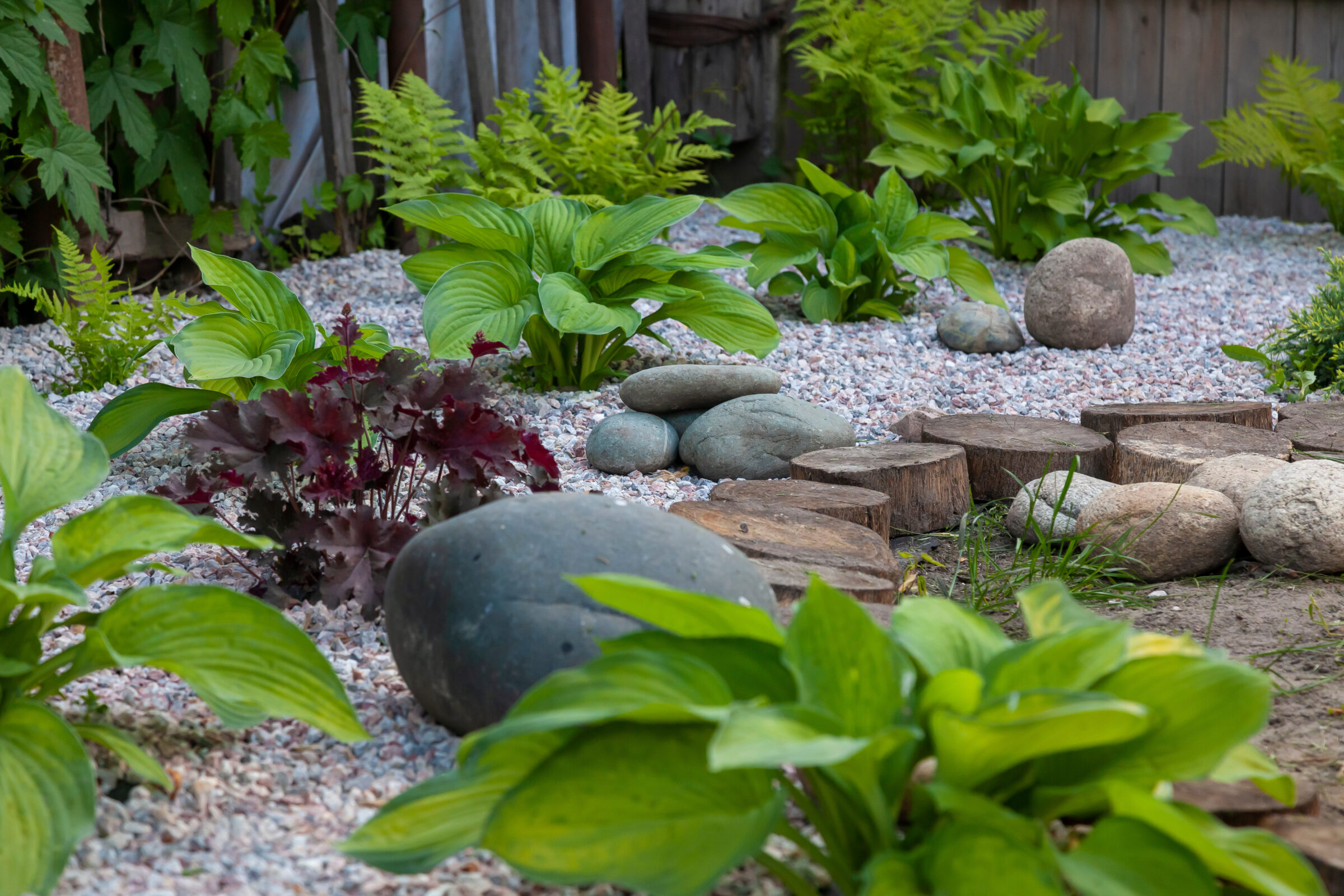
Building a decorative stone border before spring planting gives garden beds clear structure and lasting character. It frames plantings, keeps soil neatly contained, and enhances the visual flow of the surrounding space. Extending beyond appearance, it contributes to long-term function by improving drainage, reducing upkeep, and maintaining a distinct separation between planting areas and turf. Completing this step ahead of the growing season ensures the garden is ready to showcase balance and vitality as new growth begins.
Planning the Design and Choosing the Right Stone
Designing a decorative stone border starts with a layout that enhances the natural flow of the landscape. The border’s curves or straight lines should align with existing pathways, garden edges, and architectural elements, creating a seamless connection between soft and hard surfaces. Once the shape is mapped, attention turns to material choice. River rock, fieldstone, and flagstone bring organic texture and warmth, while crushed or cut stones offer a more polished, structured appearance suited to formal settings. Keeping stone sizes and color tones consistent strengthens visual balance, while subtle contrasts in texture can add depth and distinction to the finished design.
Preparing the Base for Longevity and Stability
Proper preparation determines how well the border performs over time. Begin by marking the desired outline and excavating a shallow trench along the perimeter of the garden bed. The trench should be deep enough to accommodate both the stone height and a compacted gravel base beneath it. Using a layer of crushed stone or gravel as the foundation allows for drainage while preventing stones from settling unevenly over time. After leveling the base, compact it firmly to create a stable platform before placing the decorative stones.
This foundation step is crucial for maintaining alignment and durability through freeze-thaw cycles, seasonal watering, and general garden activity. Without a properly compacted subbase, even the most carefully placed stones can shift or tilt, disrupting the border’s appearance and function.
Setting Stones with Precision and Balance
When it’s time to install, each stone should be placed with intention. Larger stones typically serve as anchors at corners or transition points, while smaller ones fill linear sections to maintain uniform spacing. For dry-set borders, positioning stones tightly together minimizes soil escape and weed intrusion. If a more permanent installation is desired, a thin layer of mortar can be used to secure them in place while preserving the natural look.
Throughout the process, stepping back periodically to view the layout from different angles ensures consistent height and alignment. This not only refines the visual balance but also prevents uneven edges once soil and mulch are added.
Finishing Touches and Seasonal Readiness
Once the stones are set, fill any remaining gaps between them with sand or fine gravel to lock them into place. A final compacting pass helps stabilize the surface and sharpens the clean lines of the border. At this point, the garden bed can be topped with fresh soil or mulch, ready to welcome new growth as the weather warms.
Installing a stone border ahead of the growing season enhances curb appeal while bringing long-term order to the landscape. It keeps mulch neatly contained, preserves the shape of each bed, and minimizes the amount of edging needed through the summer months. The result is a landscape that looks refined from the start and stays that way with minimal upkeep.
A thoughtfully crafted stone border unites durability with design, giving outdoor spaces both structure and visual rhythm. It frames planting areas with definition, complements surrounding textures, and enhances the garden’s natural flow. Whether made from river rock, fieldstone, or precision-cut stone, the finished feature delivers lasting appeal with minimal maintenance. When completed before spring’s first blooms, it establishes a strong visual foundation for the season ahead, one that carries its craftsmanship through every stage of growth.