

Designing Multi-Level Homes with Structural Concrete for Steep Winter Terrain
January 1, 2025
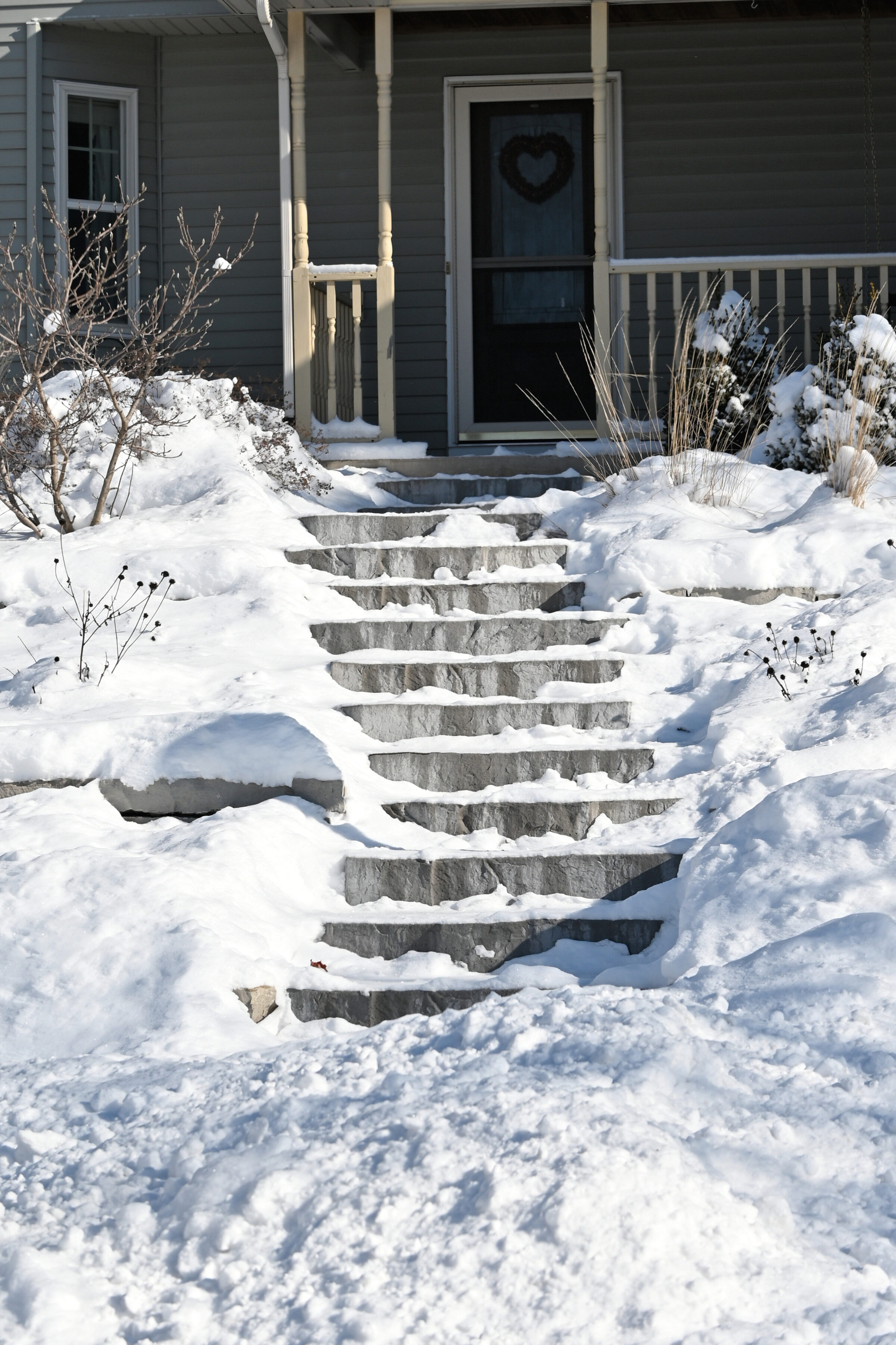
Building on steep winter terrain calls for materials that anchor the structure with confidence from the earliest stages of design. Structural concrete supports this goal because it adapts to uneven grades while maintaining strength through freeze-thaw cycles, shifting moisture levels, and seasonal soil movement. As multi-level homes rise along hillside conditions, concrete provides the framework that allows each tier to perform consistently through winter and into the rest of the year.
Forming a Grounded Foundation on Challenging Slopes
A home designed for steep terrain begins with concrete elements shaped to match the grade rather than working against it. Stepped footings, reinforced grade beams, and terraced foundation walls establish a platform that distributes weight across varying elevations. This tailored approach limits seasonal displacement by giving loads a controlled path downward, even when winter temperatures influence the surrounding soils.
Once these foundational components take shape, the structure gains the stability required for additional levels. Concrete’s ability to hold uniform alignment across irregular topography reduces the chance of winter-driven movement that could affect upper floors. Each layer relies on the precision of the one below it, creating a foundation system prepared for the unique demands of cold climates.
Building Tiered Floor Systems That Respond to Winter Conditions
As the design moves upward, concrete floor systems reinforce the stability established at the base. Multi-level homes depend on slabs that resist deflection as the slope and climate shift throughout the season. Reinforced concrete allows each floor to span sections of the terrain where traditional framing may struggle to maintain uniform support.
Lower levels built partially into the hillside often encounter moisture and temperature variations more intensely than elevated spaces. Concrete tolerates these conditions well, and when paired with insulation and proper vapor management, it protects the living environment from winter extremes. The result is a tiered structure where each level maintains integrity without relying solely on the performance of the soils behind it.
Integrating Retaining and Load-Bearing Elements into the Structure
Steep sites frequently require retaining components that work in tandem with the home’s primary structure. When these walls are cast in concrete, they shape exterior transitions, support garden terraces, or carve out usable lower-level rooms while managing soil pressure throughout the winter. Proper reinforcement and drainage design allow these elements to guide water away from the structure, reducing stress during snowmelt and freeze-thaw shifts.
Concrete’s strength also supports vertical load paths essential to multi-level configurations. Shear walls, cores, and columns work through the entire height of the home, transferring forces into reinforced footings designed to remain stable when cold weather thickens soils and increases lateral pressure. This creates a cohesive system where each structural component contributes to winter readiness.
Supporting Circulation and Design Flexibility on Steep Terrain
Living spaces arranged across multiple elevations require circulation routes that feel natural and remain structurally consistent. Concrete stair shafts, landings, and intermediate platforms maintain true geometry through seasonal changes, allowing the architectural vision to carry through every level. These elements also support mechanical chases and service paths that benefit from concrete’s ability to maintain fixed dimensions when temperatures fluctuate.
The adaptability of structural concrete offers flexibility for cantilevers, inset rooms, and open-view elevations often used on hillside homes. These design decisions rely on reinforced sections capable of handling winter loads without compromising form or layout.
Delivering Cold-Weather Reliability for Elevated Designs
A multi-level home on steep winter terrain performs best when its structural components work together from the foundation upward. Structural concrete brings the strength, shaping control, and climate resilience needed to create a stable connection between the building and the landscape. Each wall, slab, and support element contributes to dependable performance through winter while reinforcing the design’s long-term durability.
When design teams use concrete intentionally across elevation changes, the material becomes integral to both structure and experience. Its stability supports architectural ambition while ensuring that steep terrain and winter conditions remain part of the setting, not obstacles to overcome. The result is a home that stands firm through every season, anchored to the landscape it occupies.