

How Material Selection Impacts the Lifespan of Rural and Commercial Surfaces
May 1, 2026
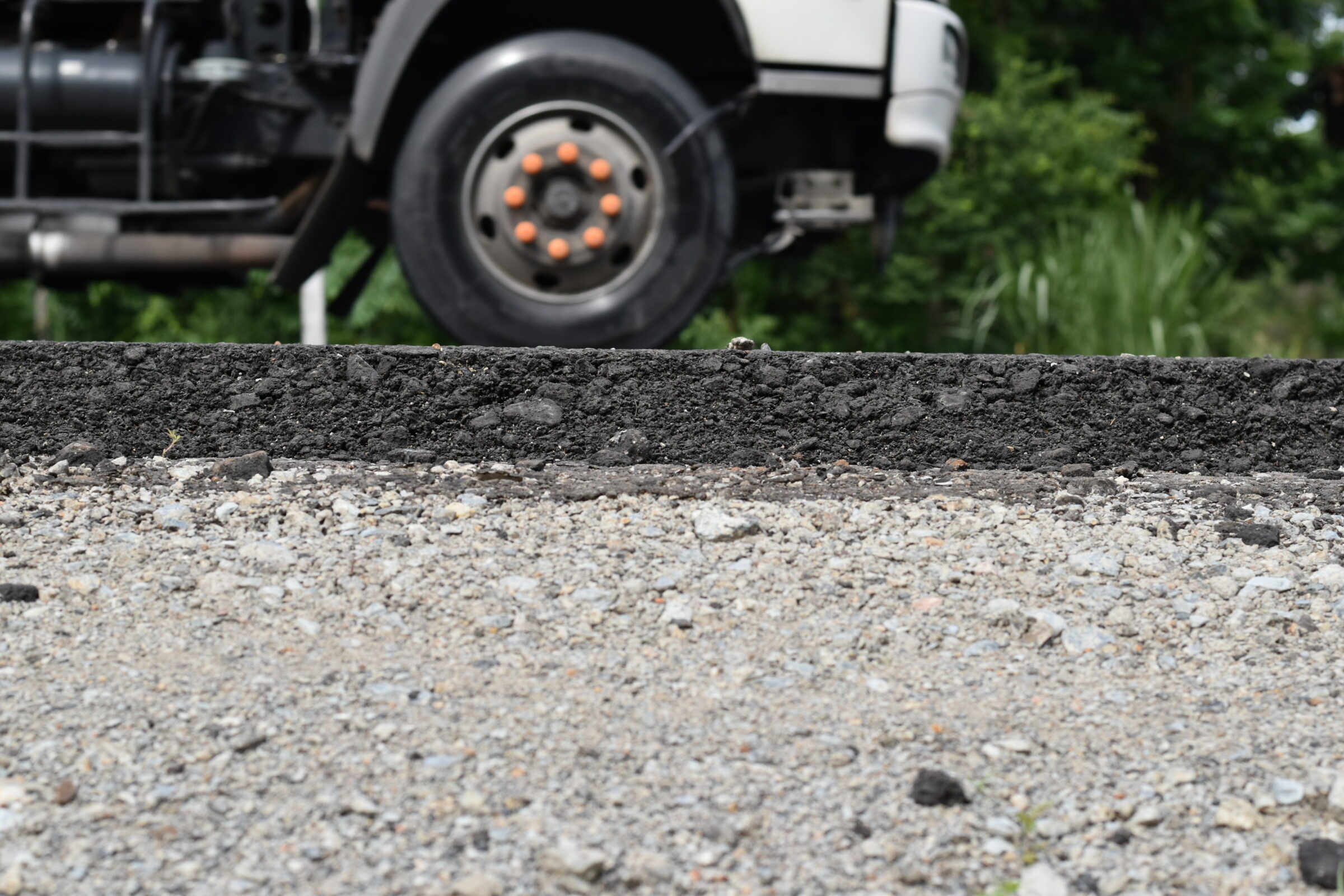
The lifespan of any surface, whether it is a rural road, parking lot, or truck yard, depends heavily on the materials beneath it and often more than the visible top layer. Aggregate gradation, binder chemistry, and mix proportions determine how that pavement responds to years of traffic, temperature swings, and moisture exposure. Material selection shapes every phase of that response, from placement through the last freeze thaw cycle a surface endures. A farm access lane, a truck staging yard, and a retail parking lot each carry a different weight profile, and the materials beneath them behave according to those loads. Matching the right aggregate source, asphalt binder, or ready mix concrete design to that load shifts the point where cracking, rutting, or spalling begins, which directly changes how long the surface stays in service.
Aggregate Structure Shapes Everything Above It
Deep within that base, load paths travel downward through the aggregate matrix, so particle shape, size, and gradation determine how weight spreads across the subgrade. Well graded crushed stone interlocks tightly, reducing voids that trap moisture and resisting the particle shift that produces rutting under repeated wheel loads. Angular crushed limestone, granite, and trap rock each bring distinct hardness and fracture faces, and choosing the correct source for the traffic pattern on a given surface is the first decision that shapes how that pavement ages.
Gradation also governs drainage behavior beneath the surface. A base layer with too many fines holds water against the bound layers above, accelerating freeze thaw damage and softening the support below. Cleaner, open graded sections move water laterally to daylight or underdrain systems, which preserves the bearing capacity of the subgrade through wet seasons and heavy snowmelt. Aggregate specifications written for a specific climate and load profile produce a base that carries its intended weight for decades rather than seasons.
Asphalt Mix Design for Rural and Commercial Traffic
Above that base, binder grade carries almost as much weight as aggregate selection in an asphalt surface. A PG 64 22 binder on a rural collector road handles moderate summer temperatures and winter embrittlement, while a heavier PG 76 22 binder on a commercial truck entrance resists the shove and rut patterns heavy vehicles leave during hot afternoons. Selecting the binder to match both climate and axle load is what keeps wheel paths from deforming in the first place.
Mix design stacks additional decisions onto that binder choice. Dense graded asphalt carries commercial traffic well because tight particle packing moves load efficiently through each lift, and that same density limits water infiltration into the bound section. Stone matrix asphalt uses a coarser aggregate skeleton bound with polymer modified binder, which resists rutting on high volume truck routes and agricultural corridors where slow moving, heavy loads are common. Rural roads with lower traffic counts often receive a chip seal or thinner surface course over a well compacted base, stretching the useful life of the section without overbuilding.
Ready Mix Concrete on Commercial Surfaces
For ready mix concrete, the mechanism shifts to paste density. Water to cement ratio controls how tightly the paste forms around each aggregate particle, and a lower ratio produces a matrix that resists chloride intrusion, abrasion, and surface scaling. Ready mix suppliers adjust that ratio during batching, pulling in supplementary cementitious materials such as fly ash or slag to refine pore structure and reduce permeability without giving up early age workability. Commercial slabs placed for distribution centers, municipal yards, and retail parking benefit from mix designs tuned to the exact exposure class the site will face.
Once the mix leaves the truck, placement and consolidation decide whether that engineered design reaches its intended behavior in the finished slab. Drivers deliver concrete within a controlled slump window, and proper vibration drives out entrapped air without segregating the aggregate. Finishers then work the surface to close bleed channels and set the texture for traction, while curing compounds or wet coverings hold moisture in the slab during hydration. Each step preserves the internal density that the mix design targets, so skipping any of them leaves capacity on the table.
Matching Material to Site Conditions
Environmental exposure often decides which material carries a given project. Rural roads with wide temperature swings and limited maintenance access lean toward asphalt sections that flex with the subgrade and accept periodic overlays. Commercial sites with concentrated wheel loads, fuel spills, or forklift traffic lean toward concrete slabs with dowelled joints, fiber reinforcement, or steel mesh to hold joint behavior tight across thermal cycles. Aggregate base layers sit beneath both, and a well specified base is what lets either surface deliver its full service life.
Under one roof, a supplier that batches aggregate, asphalt, and ready mix gives owners a single point of accountability across every layer of the section. Specifications move from plan to placement with fewer handoffs, and field adjustments happen faster when the same team controls the source material, the mix design, and the delivery schedule.
Get HK Contractors’ perspective on aggregate, asphalt, and ready mix early in the design phase so that mix selections match the traffic, climate, and exposure conditions on site. A surface that starts on the right materials holds its line, holds its surface, and holds its service life across decades of use.