

The Hidden Cost of Cheap Materials: Why Aggregate Quality Pays Off Over Time
February 9, 2026
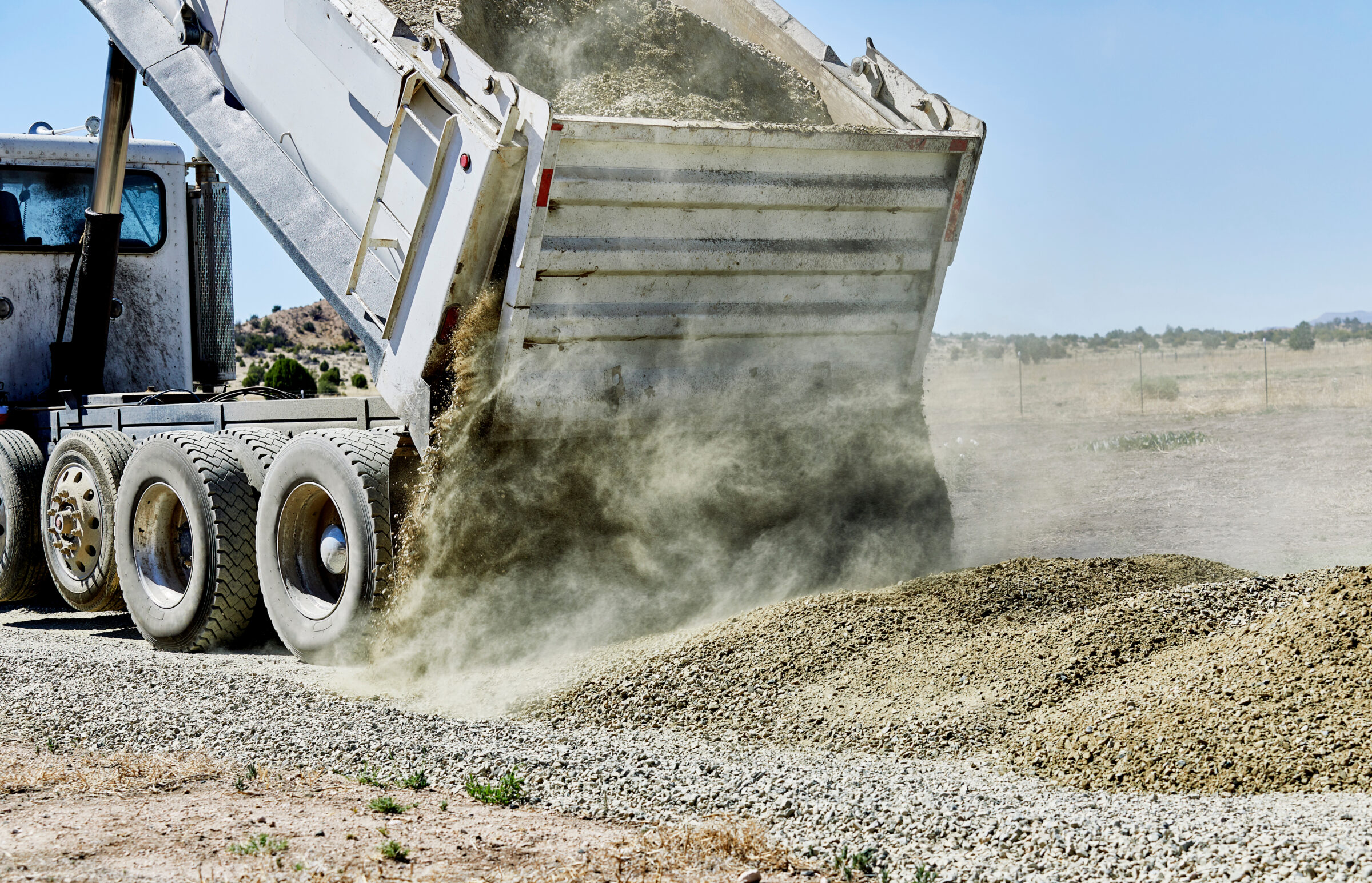
Aggregates may appear similar at a glance, especially when pricing becomes the dominant comparison point early in planning. Yet durability, longevity, and lifecycle value are shaped quietly by what sits beneath the surface. Aggregate quality becomes an investment that reveals its value through sustained results, not just at the point of purchase.
Across concrete, asphalt, and structural applications, aggregates provide more than bulk. They establish internal structure, support load transfer, and influence how materials respond to moisture, temperature shifts, and repeated use. When quality is consistent, systems behave predictably. That predictability allows projects to age with stability.
Aggregate Quality as a Structural Foundation
High-quality aggregates are defined by controlled gradation, clean particle surfaces, and durable mineral composition. These characteristics work together to create dense packing, reliable compaction, and strong bonding with binders and cementitious materials. Each load contributes to a uniform internal structure that supports design intent from placement through extended service. Lower-grade materials introduce variability that often goes unnoticed during delivery. Inconsistent particle sizing disrupts compaction, while excess fines or contaminants interfere with adhesion. Over time, these inconsistencies become points of weakness where stress and moisture concentrate. Quality aggregates reduce those risks by creating a stable foundation from the start.
How Aggregate Quality Shapes Concrete Performance
Within a concrete system, aggregates carry load and help control internal movement throughout the matrix. Well-graded materials distribute stress evenly, limiting shrinkage potential and supporting uniform curing. This balance allows cement paste to function as a binding agent rather than a compensating filler. This approach supports concrete that maintains strength and dimensional stability under repeated loading. When aggregate quality declines, internal stress increases. Cement paste works harder to bridge gaps or coat irregular surfaces, which elevates cracking potential as the material cures and ages. Over extended service life, these internal imbalances often surface as durability concerns. Consistent aggregates support concrete systems that perform as engineered rather than corrected.
Asphalt Performance Begins with Aggregate Selection
In asphalt applications, aggregate quality determines how effectively a pavement structure resists deformation. Angular, durable aggregates interlock tightly, creating internal stability that supports traffic loads and temperature fluctuations. This structure allows the binder to remain flexible, strengthening fatigue resistance and surface durability.
Rounded or weak aggregates reduce interlock, shifting stress onto the binder and increasing susceptibility to rutting. As temperatures rise and traffic repeats, surface distress develops more quickly. High-quality aggregates strengthen the entire asphalt system by ensuring the load-bearing framework remains intact.
Managing Moisture Through Material Consistency
Moisture movement is one of the most influential factors in long-term material behavior. Aggregates with controlled absorption rates and clean surfaces limit how water migrates through concrete and asphalt systems. This control supports freeze-thaw durability and preserves internal structure across seasonal cycles.
Materials with higher absorption or inconsistent composition create pathways for moisture intrusion. Over time, that moisture accelerates internal wear and weakens bonding. Quality aggregates help regulate water behavior within the system, preserving structural integrity beneath visible surfaces.
Lifecycle Costs Reveal Material Value
Initial material pricing often captures attention, but maintenance patterns tell a more complete story. Projects built with consistent, high-quality aggregates typically experience slower rates of surface distress. Maintenance cycles extend, and interventions remain predictable rather than reactive.
When lower-grade materials are introduced, repairs tend to arrive sooner and more frequently. Those costs accumulate quietly through patching, resurfacing, and operational disruption. Aggregate quality shifts lifecycle economics toward efficiency by reducing ongoing demands on time and resources.
Consistency Supports Jobsite Efficiency
Reliable aggregate sources provide uniformity across deliveries, simplifying mix design control and placement operations. That consistency allows crews to focus on execution rather than adjustment. Smoother placement and predictable compaction contribute to tighter schedules and dependable outcomes.
Variable materials complicate quality control and increase the likelihood of rework. Each adjustment introduces risk and delays that ripple through the project. Quality aggregates reduce uncertainty, supporting efficiency from batching to final placement.
Building Long-Term Value from the Ground Up
Aggregate quality shapes how structures age, perform, and endure. While cost comparisons may focus on immediate savings, long-term outcomes reflect the real return on material decisions. Durable aggregates support systems that remain stable under load, weather, and time. When projects are built with longevity in mind, aggregate quality becomes a strategic decision that continues to deliver value well beyond installation. It reinforces structural integrity, limits maintenance demands, and supports responsible material use. From the ground up, quality aggregates help ensure construction outcomes that stand the test of service conditions and expectations.