

Why Spring Is the Best Time to Repair Access Roads, Equipment Pads, and Rural Driveways
April 1, 2026
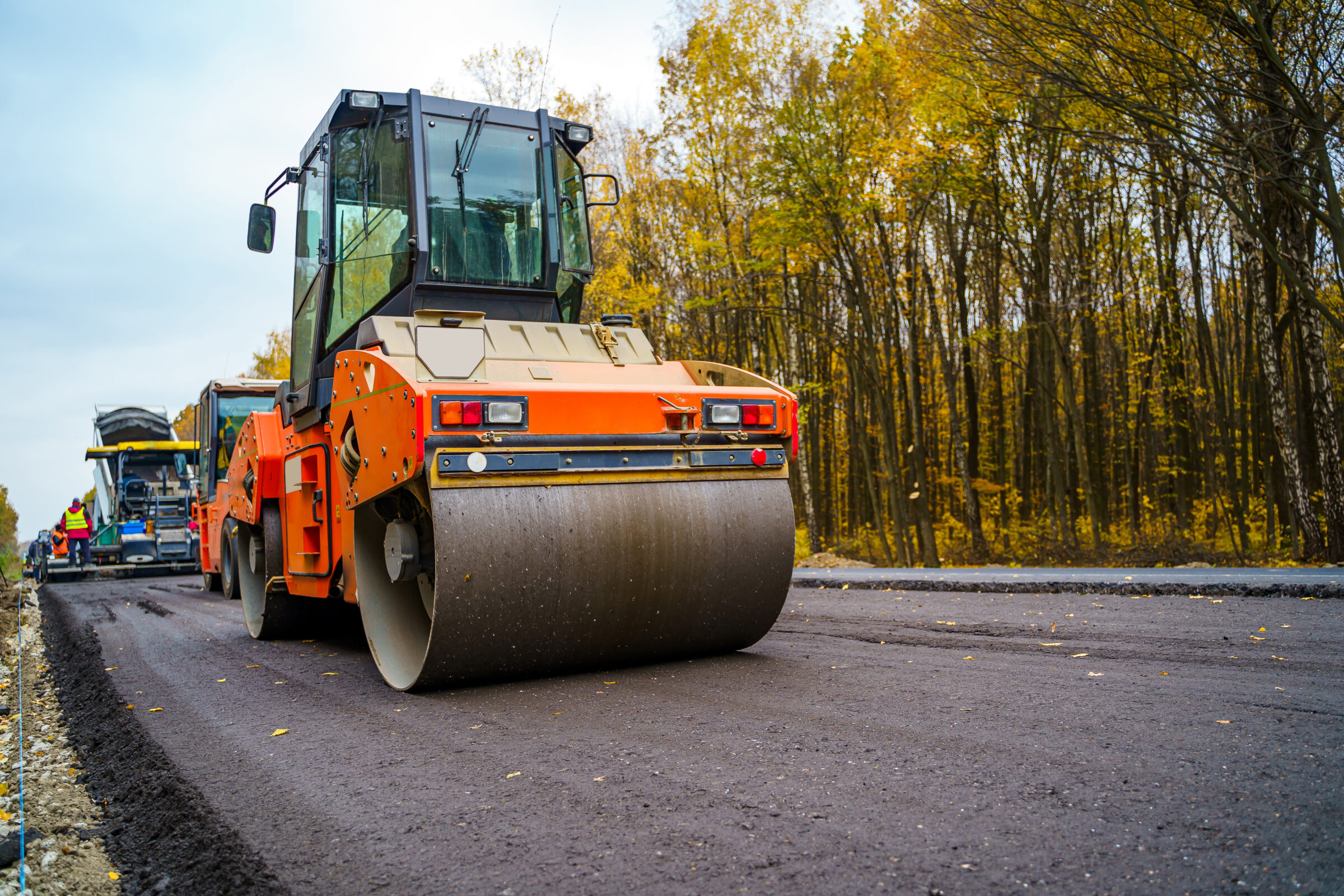
Moisture trapped beneath frozen ground expands during winter and leaves behind loosened soil once thawing begins. Gravel access lanes that felt solid during cold months often reveal ruts, scattered stone, and uneven surfaces as frost releases its hold. Truck tires and equipment weight quickly press into these softened layers, exposing weak points in the road base and staging areas. Early spring repairs address these shifts while the ground is workable and before heavier seasonal traffic places additional strain on the surface.
Contractors often take advantage of this window to rebuild the structural layers beneath roads, driveways, and equipment pads. Fresh aggregate, careful grading, and compaction reshape how weight moves through the ground. Instead of allowing pressure to push downward into soft soil, properly rebuilt surfaces spread loads outward across dense gravel layers. Stabilizing these travel routes early in the season keeps access routes functional as construction and agricultural work begins to accelerate.
Rebuilding the Road Base Beneath Access Lanes
Heavy vehicles entering rural properties place direct pressure on the base layers beneath access roads. Once thawed soil settles unevenly, the compacted gravel supporting those lanes begins to separate into loose pockets. Tires passing over these areas force stone outward from the driving path, gradually carving deeper ruts that channel traffic into narrow tracks.
Regrading restores the shape of the roadway and removes displaced gravel that has migrated away from the original travel lane. New crushed stone introduced during this process contains sharp, angular edges that lock together when compacted. As rollers compress the surface, the aggregate forms a tightly interlocked layer that spreads wheel loads across a broader portion of the roadbed.
Moisture present in early-season soil conditions assists this compaction. Slight dampness allows particles to shift into place during rolling before settling into a dense structure that resists movement under repeated truck traffic.
Reinforcing Equipment Pads Where Machines Operate
Stationary equipment concentrates weight into smaller ground areas than moving vehicles. Loaders, tractors, and hauling trucks repeatedly occupy the same working positions throughout the day. Without reinforcement beneath those locations, the underlying soil compresses and gradually causes machinery to lean or sink into the surface.
Creating a stable equipment pad begins with removing soft ground where moisture has weakened the soil. Contractors then place multiple layers of crushed aggregate across the excavated area. Each layer undergoes compaction before the next is installed, producing a dense base that distributes equipment weight across the entire pad.
Angular stone within these layers creates friction between individual pieces, preventing the aggregate from sliding beneath parked machinery. The result is a level surface capable of carrying repeated loading cycles without shifting beneath heavy equipment.
Restoring Rural Driveways After Winter Movement
Driveways serving rural homes and work sites experience steady traffic once the construction season begins. Trucks delivering materials, trailers hauling equipment, and utility vehicles moving between fields all travel the same driving path. Gravel that shifted during winter thaw spreads outward under these repeated wheel loads, leaving the center lane uneven and vulnerable to pooling water.
Regrading pulls displaced stone back toward the middle of the driveway while rebuilding the crown that guides water away from the driving surface. This raised center section channels rainfall toward the edges instead of allowing runoff to collect inside tire tracks.
Once fresh gravel spreads across the lane, compaction presses the aggregate into a tightly packed layer that resists displacement. Tires travel across a firm surface rather than scattering loose stone across the surrounding ground.
Clearing Drainage Paths Along Road Edges
Water trapped along rural roadways weakens the structural layers supporting gravel surfaces. Sediment buildup inside culverts or shallow roadside ditches often blocks runoff after winter snowmelt. When water lingers beside the driving surface, it gradually softens the base beneath the road and accelerates rut formation.
Opening these drainage paths restores the movement of water away from the roadway. Clearing culverts, reshaping roadside channels, and rebuilding gravel shoulders guide runoff toward the edges of the roadbed. Once water flows freely away from the surface, the compacted base beneath the gravel remains firm under traffic loads.
Proper drainage also limits the upward movement of fine soil into the gravel layer. Without that soil migration, the aggregate surface remains tightly interlocked rather than becoming muddy or unstable.
Preparing Access Routes for the Work Season
Construction projects, agricultural operations, and property improvements quickly increase traffic along rural access routes. Trucks hauling gravel, sand, and ready-mix concrete rely on stable road surfaces that can carry heavy loads without shifting beneath their wheels. Equipment staging areas must also support the weight of machinery operating throughout the workday.
Spring repairs reshape these surfaces while soil conditions remain workable. Regraded roadbeds distribute truck weight across compacted aggregate layers. Equipment pads built from crushed stone maintain level ground beneath loaders and tractors. Driveways rebuilt with proper drainage shed rainfall before water can weaken the base structure below.
When these surfaces are rebuilt during the early season repair window, vehicles travel across dense gravel layers that resist rut formation and surface movement. Access roads remain passable, equipment staging areas hold their shape under repeated loading, and rural driveways maintain stable ground throughout the busiest months of construction and agricultural activity.